



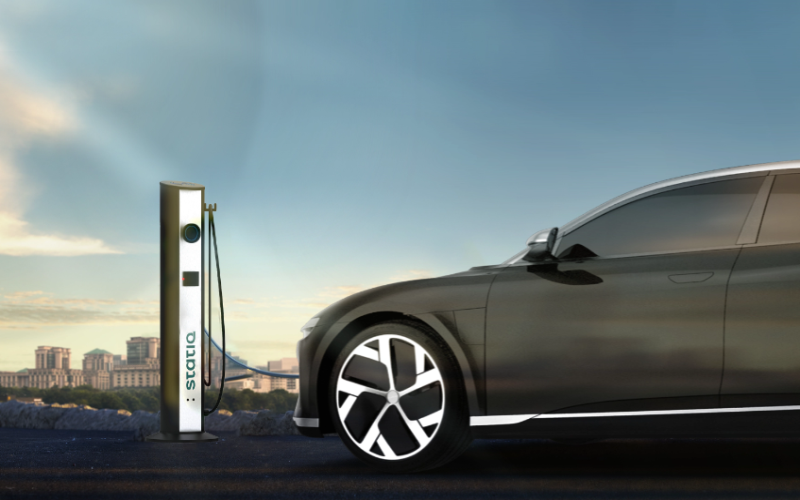
The world is going green, and transportation is no exception. Electric vehicles (EVs) are rapidly becoming a mainstream choice, but are they the right fit for everyone? Let us find out!
The decision between an EV and a gasoline car depends on various factors, needs, and priorities. In this blog, we will deep dive into the pros and cons of each while considering various factors like initial cost, ownership cost, charging/refueling time, government incentives, resale value, and environmental consequences.
Initial Cost
Electric vehicles have been considered significantly more expensive than ICE vehicles. The cost of batteries is the dominating contributor to this cost. But, as technology advances and demand increases, OEMs are coming up with an affordable range of EVs. We can now easily find Electric Vehicle models like TATA Tiago, MG Comet EV which give a range of up to 200 km to 250 km for 8-10 lakhs.
Ownership Cost
While the initial investment in an electric vehicle may seem expensive, the total cost of ownership over its lifespan often proves to be less than that of a conventional gasoline car. This is primarily due to fewer parts, which require less maintenance compared to internal combustion engine vehicles. Additionally, the rising cost of traditional fuel makes electric vehicle charging a more economically viable option in the long run.
Charging & Refueling Time and Effort
Electric vehicles typically require longer charging times compared to the quick refueling process of gasoline cars. Furthermore, planning for longer trips with an electric vehicle necessitates consideration of the availability of public charging infrastructure, which is still in its nascent stages.
But on a positive note, the EV charging infrastructure is growing. You can easily locate public charging stations in India. Additionally, there are many mobile apps like Statiq which help you find nearby electric vehicle charging stations. It also offers a Route Planner feature that helps you plan your EV trip by showing electric vehicle charging stations en-route, making your EV journey hassle-free.
Government Incentives
- FAME Scheme: The government provides subsidies and incentives under the Faster Adoption and Manufacture of Electric Vehicles (FAME) Scheme. But for fuel vehicles, no such schemes are available.
- Tax Deduction: EV owners can get a deduction of up to Rs 1,50,000 on the interest paid on loans taken to buy EVs. This deduction falls under Section 80EEB of the Income Tax Act, providing financial relief to buyers.
- Low GST Rate: The GST rate for electric vehicles is 5%, and for ICE vehicles, GST rates are above 28%. This reduction in GST contributes to lowering the purchase price of electric vehicles.
Resale Value
As EVs have just recently entered the market, their resale value is not yet determined. Also, with constant development in its technology, the resale value is not expected to be high. Whereas the resale value for Fuel vehicles is already defined as per its model and age.
Environmental Impact
Electric Vehicles have low carbon emissions as they are powered by renewable energy, making them environmentally friendly. However, carbon emissions are higher when fuel vehicles with non-renewable energy sources are used. Governments are introducing stringent regulations to support EVs as they promote a green future.
Conclusion
The decision to opt for an electric vehicle or stick with a gasoline-powered counterpart becomes increasingly nuanced. In the above content, we have explored factors such as cost, convenience, government incentives, resale value, and environmental impact. Finally, the ultimate choice rests on individual needs, priorities, and values. We hope the above content will help you in making the right decision to choose your next vehicle.
